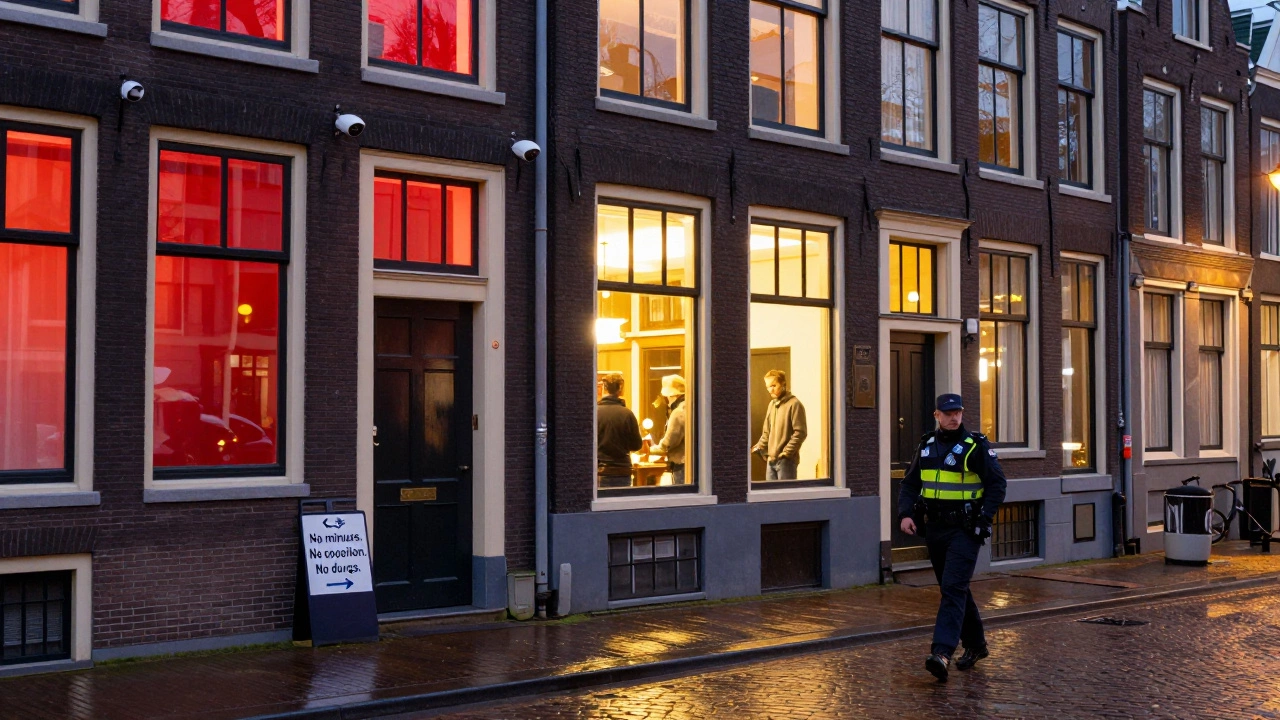
In the Netherlands, sex work is legal. Not regulated. Not tolerated. Legal. Since 2000, when the government lifted the ban on brothels and allowed sex workers to register as self-employed, the country has seen a quiet but powerful shift. Crime dropped. Exploitation declined. Health outcomes improved. And yet, outside the Netherlands, the debate still rages-often fueled by moral panic, not data. The truth is simple: when sex workers are treated as workers, everyone is safer.
Some people look to cities like Paris for examples of how sex work operates under different rules. If you’ve ever wondered what an escort gir paris experience might look like under a legal framework, you’d find it’s not about glamour or secrecy-it’s about boundaries, safety, and consent. In places where sex work is criminalized, workers are forced underground. They can’t screen clients properly. They can’t call the police when something goes wrong. They can’t access healthcare without fear. The Netherlands didn’t solve every problem, but it removed the biggest one: the law itself.
How the Dutch System Actually Works
The Dutch model isn’t about free-for-all street corners or unregulated online ads. It’s structured. Sex workers must register with the government, pay taxes, and follow health and safety rules. Brothels need licenses. Pimps are still illegal. Human trafficking is prosecuted aggressively. The system doesn’t romanticize sex work-it treats it like any other small business.
Workers can join unions. They can get health insurance. They can take sick days. In Amsterdam’s De Wallen district, you’ll find windows with red lights, but also clear signage: ‘No minors. No coercion. No drugs.’ There are security cameras. Emergency buttons. And police patrols that respond quickly-not to arrest, but to protect.
Studies from the University of Amsterdam show that since legalization, reports of violence against sex workers dropped by 40%. HIV rates among sex workers are among the lowest in Europe. Why? Because workers can insist on condom use without fear of being arrested for solicitation. Because they can report a client who refuses to pay without being treated like a criminal.
What Happens When You Criminalize It
Look at countries where sex work is illegal-like the U.S., Australia, or parts of Eastern Europe-and you’ll see the same pattern: exploitation thrives in the shadows. Workers are forced to take dangerous clients just to survive. They’re pressured into working longer hours because they can’t report abuse. They’re scared to get tested for STIs because clinics might report them to police.
In 2023, a report by the Global Network of Sex Work Projects found that 73% of sex workers in criminalized environments had been physically assaulted in the past year. In decriminalized ones? That number was 18%. The difference isn’t luck. It’s policy.
Even in places with partial legalization-like Germany or New Zealand-problems remain. Germany allows brothels but doesn’t give workers full labor rights. New Zealand decriminalized everything in 2003 and saw immediate improvements, but funding for support services has been inconsistent. The Netherlands got closer to the ideal: full legal recognition, with enforcement focused on exploitation, not the workers themselves.
The Myth of the ‘Rescued’ Sex Worker
Too often, activists and politicians talk about ‘rescuing’ sex workers-as if every person in the industry is a victim who needs saving. But that’s not reality. Many choose this work. Some do it temporarily to pay for school. Others have been doing it for decades and wouldn’t trade it for a desk job. Some are single mothers. Some are artists. Some are immigrants building a life in a new country.
When you assume all sex workers are victims, you ignore their agency. You also make it harder to help the ones who actually need it-like minors, or people trapped by traffickers. The real solution isn’t to shut down the industry. It’s to separate the voluntary from the coerced-and give workers the tools to protect themselves.
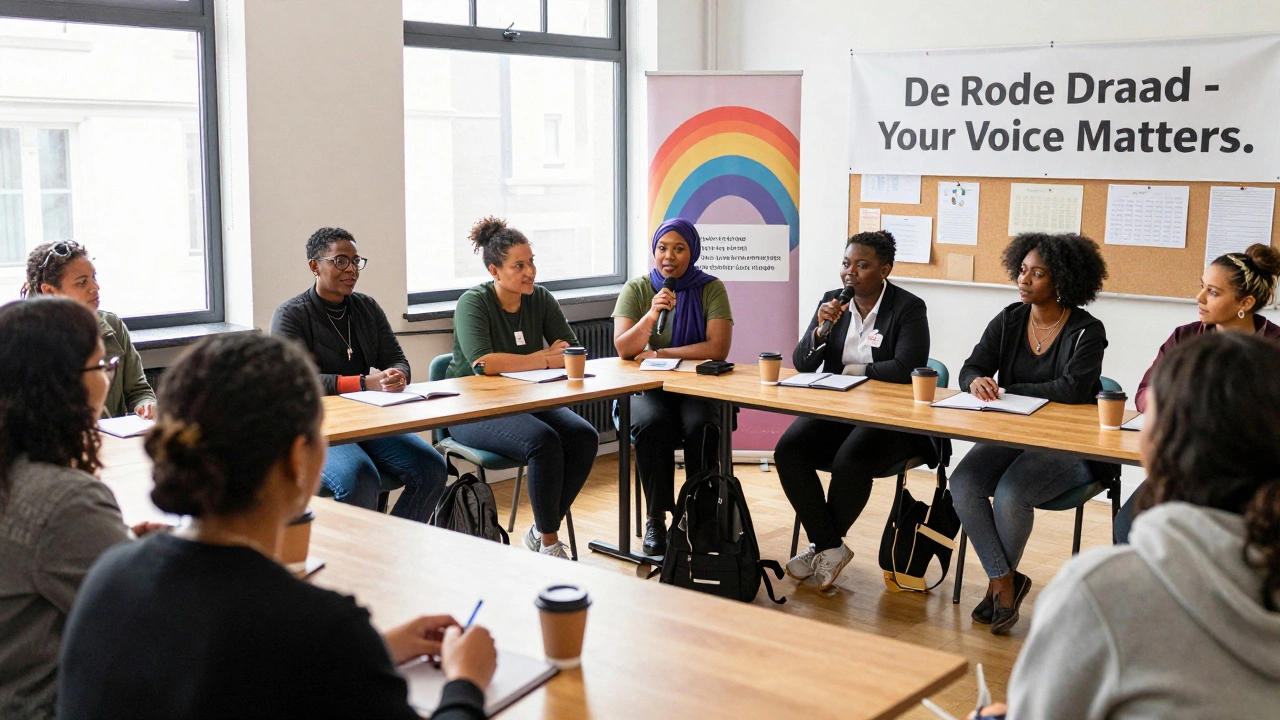
That’s why Dutch outreach programs focus on empowerment, not eradication. Workers get free legal advice. They get access to mental health counseling. They’re invited to town halls where they help shape new policies. One worker in Rotterdam told a researcher, ‘I don’t need someone to save me. I need someone to stop arresting me.’
Why This Matters Outside the Netherlands
The Netherlands didn’t invent sex work. But it did invent a better way to manage it. Other countries are watching. Canada, Ireland, and parts of Australia are debating decriminalization right now. The data is clear: criminalization doesn’t reduce demand. It just makes it more dangerous.
And the economic argument? It’s real. In 2024, the Dutch government estimated that legal sex work contributed €1.2 billion to the national economy. That’s not just from brothels-it’s from taxes, health services, security systems, and even tourism. Amsterdam’s red-light district brings in over 10 million visitors a year. Many come to see the architecture, the history, the culture. And yes, some come for the sex work. But the city doesn’t hide it. It manages it.
Compare that to cities where sex work is banned but still widespread. Think of Paris, where the streets fill with workers at night and police turn a blind eye-or worse, extort them. You’ll hear about escort occasionnelle paris ads online, but those are often scams. Or worse: traps. In a legal system, those ads are regulated. You know who you’re contacting. You know the terms. You know your rights.
What’s Still Broken
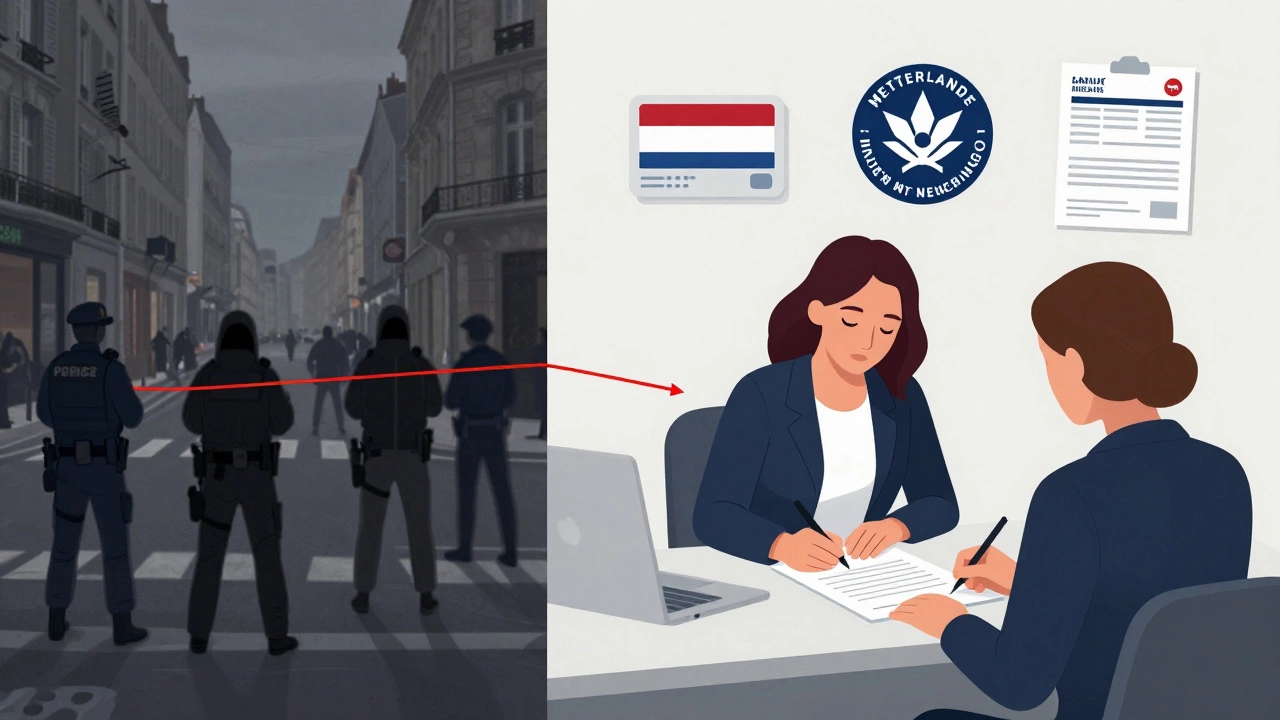
Let’s be honest: the Dutch system isn’t perfect. Some workers still face stigma. Some landlords refuse to rent to them. Some banks won’t open accounts. The government still doesn’t fully recognize sex work as a legitimate profession in all areas of labor law.
And migrant workers? They’re still vulnerable. Many come from Eastern Europe or Africa with false promises. Even in a legal system, undocumented people can’t access protections. That’s why NGOs like De Rode Draad (The Red Thread) work tirelessly to support them-offering language classes, legal aid, and housing.
The real test isn’t whether the system works for the privileged few. It’s whether it works for the most marginalized. And here, the Netherlands still has work to do. But at least they’re trying. At least they’re listening.
The Bigger Picture
Decriminalizing sex work isn’t about endorsing it. It’s about recognizing human dignity. It’s about saying: if you’re doing work that’s legal, you deserve the same protections as anyone else. You deserve to go home at night without fear. You deserve to call the police without being arrested. You deserve to live without shame.
And if you’re wondering how this connects to the rest of the world? It’s simple. The same logic applies to every kind of labor. When you treat people like criminals for doing honest work, you don’t stop the work-you just make it dangerous. The Netherlands didn’t change people’s minds about sex. They changed the rules. And that made all the difference.
So next time you hear someone say ‘sex work should be illegal,’ ask them this: what happens next? Do you arrest the worker? The client? Who cleans up the mess when someone gets hurt? And who pays for the hospital bill? The answer, more often than not, is: no one. That’s not justice. That’s neglect.
There’s a reason why organizations like the World Health Organization and Amnesty International support decriminalization. It’s not ideology. It’s evidence. And in a world full of complex problems, this one has a clear solution: let sex workers work.
Just like you’d let a nurse, a teacher, or a delivery driver do their job without fear.
And yes, if you’ve ever searched for escort gir paris online, you know how messy that world can be. But imagine if that search led to a verified, licensed provider with clear pricing, health checks, and legal recourse. That’s not fantasy. That’s Amsterdam.